
Veja também


 10.07.2026 12:51 AM
Don't stir up trouble while it's quiet. Investors almost believed that the US-Iran war was behind them: a temporary peace agreement, 60 days for negotiations, discussions about resolving the lingering issues of the conflict. However, Tehran awakened the sleeping beast by attacking vessels in the Strait of Hormuz. In response, Washington revoked permission to sell Iranian oil and has carried out strikes against enemy territory for the second consecutive day. Iran retaliated by attacking American bases in Bahrain, Kuwait, and Qatar. Movement through the planet's main oil artery has nearly come to a halt, and EUR/USD is thrashing about like a tiger in a cage.
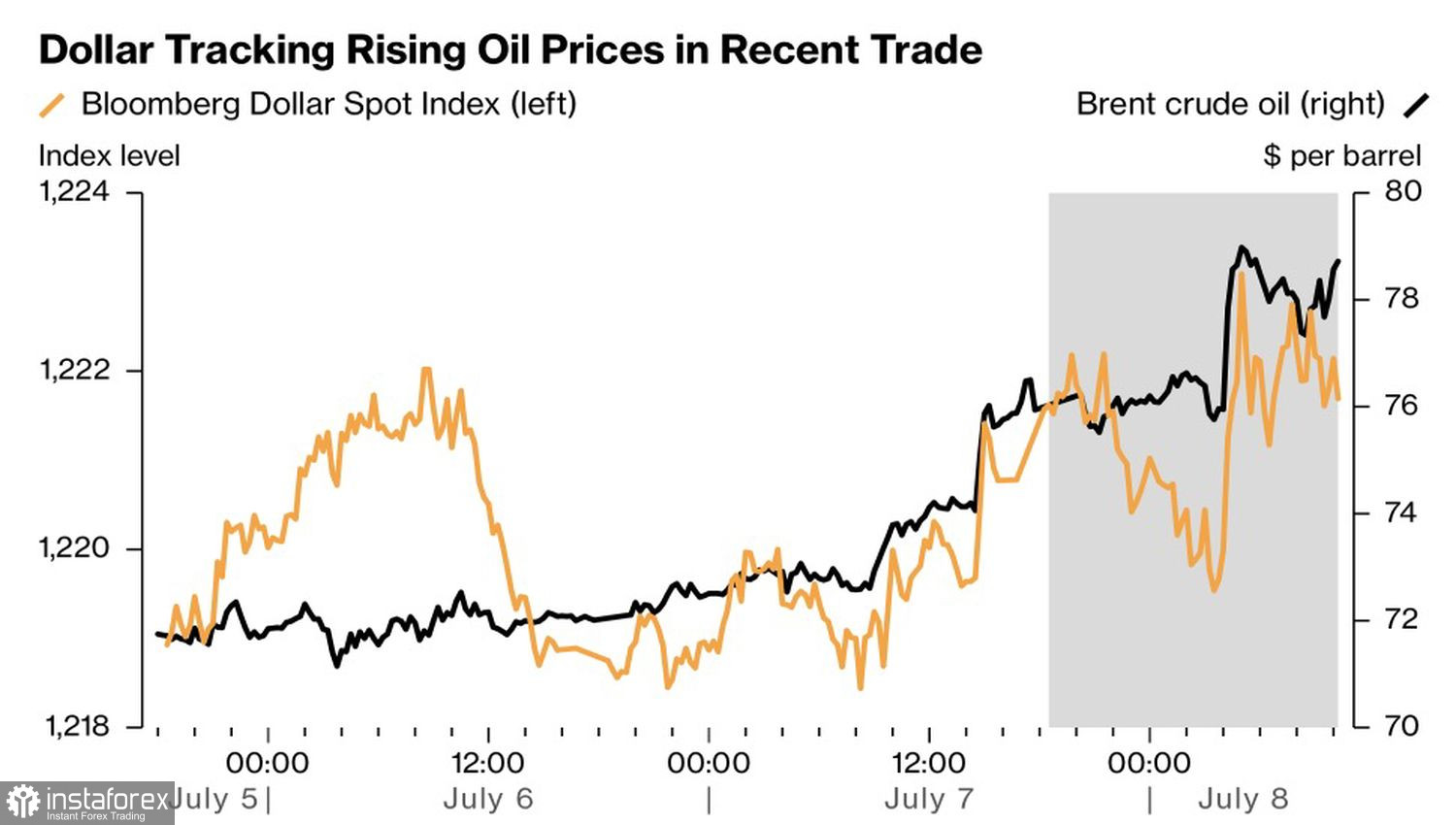
The US dollar benefits from its status as a safe-haven asset and also profits from being the currency in which most oil contracts are denominated. The United States remains the world's largest producer of crude oil, so the surge in Brent prices amid the paralysis of shipping through the Strait of Hormuz plays in favor of the greenback. Donald Trump threatens that for every Iranian strike, he will respond with twenty, adding that victory in a possible full-scale war will not take long. Tehran insists it maintains control over the strait.
The rally in the US dollar coincides with the Federal Reserve's hawkish pivot. Kevin Warsh, in his first meeting as chairman, made it clear that price stability is more important than concessions to the White House, prompting the futures market to recalibrate the odds of a monetary policy tightening. However, Wells Fargo acknowledges that the "rally is getting tired": the bank maintains a tactical short position on the greenback and reduces the likelihood of a July rate hike. Swaps suggest a 29% chance in this scenario, while the bank expects cleaner levels to resume purchases closer to autumn.
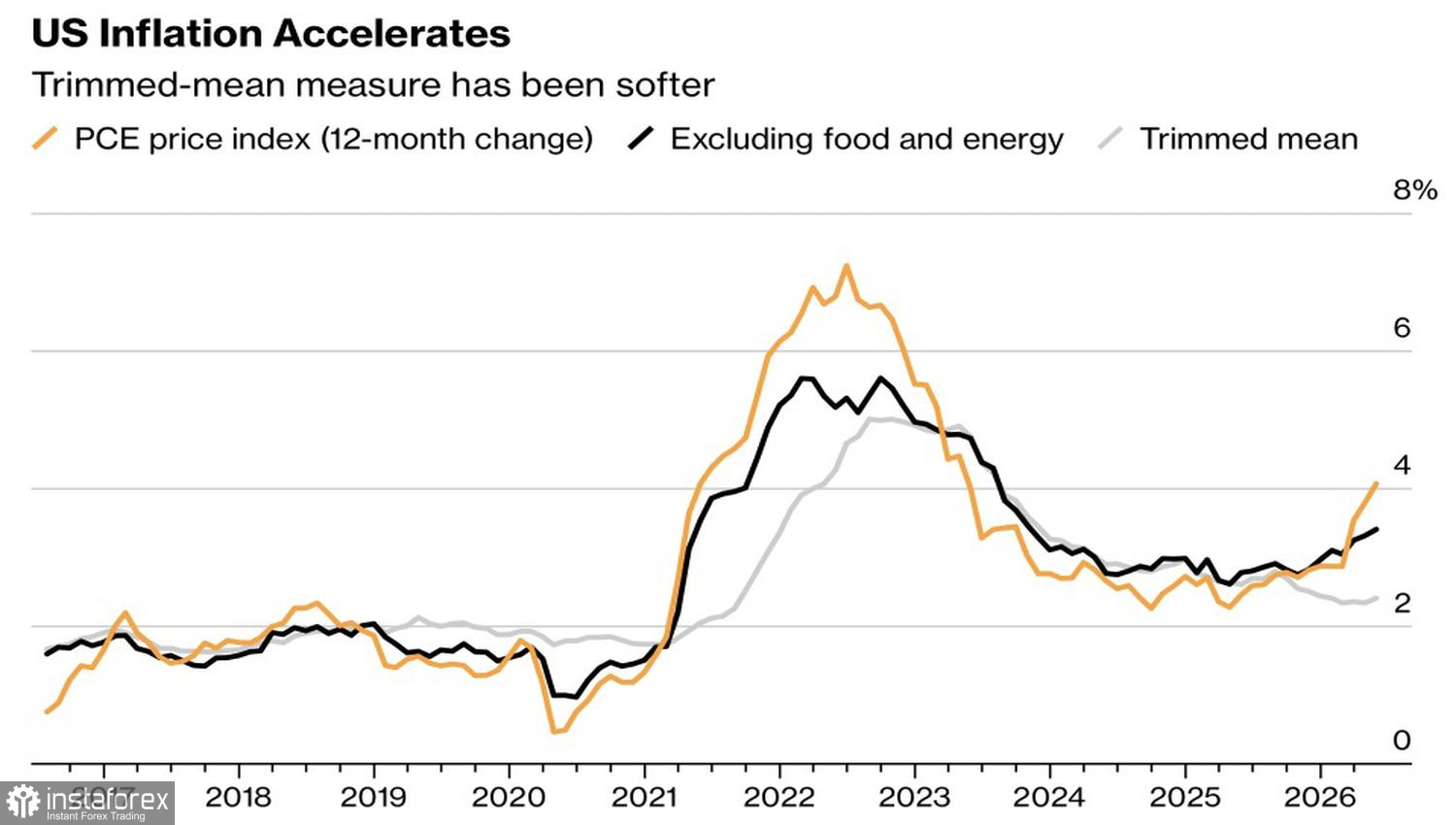
According to Bloomberg, any strengthening of the US dollar amid geopolitical tensions risks being fleeting. Trump's rhetoric at the NATO summit may remain merely a negotiating tactic rather than a long-term policy shift—such episodes of escalation have repeatedly been succeeded by de-escalation. Adding to this is the upcoming release of data on the Fed's favorite inflation measure—the PCE index—which could tip the scales against a rate hike this year.
Thus, EUR/USD has become a hostage to both geopolitical and monetary policy. As long as the Strait of Hormuz remains crucial and Warsh maintains a hawkish tone, the bears in the major currency pair hold the cards. The only question is who will blink first—Tehran, the oil market, or the dollar itself, tired of fearing its own shadow.
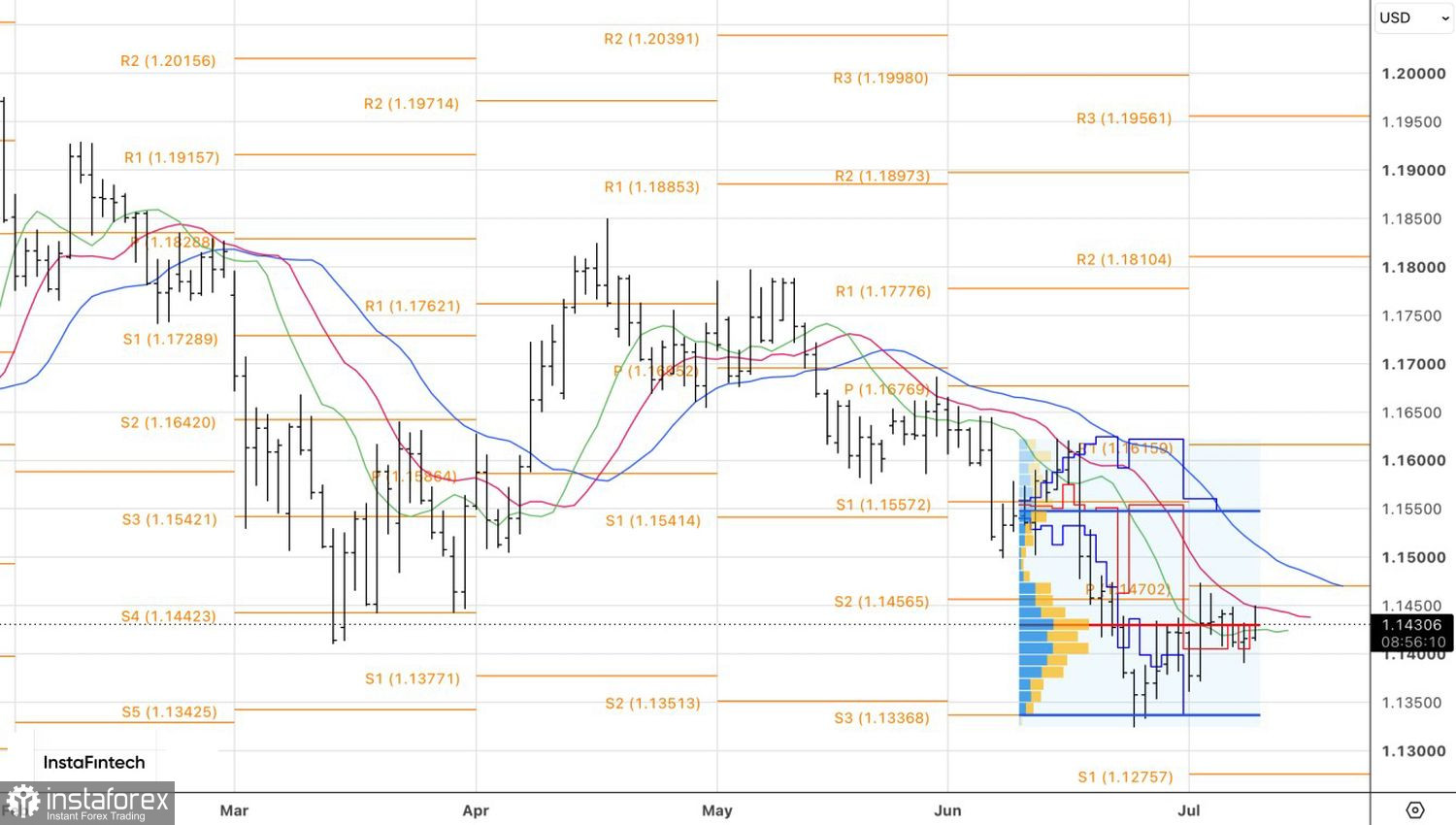
Technically, on the daily chart, EUR/USD is fighting for fair value at 1.143. A close below this level will form a pin bar. In this case, breaking its low at 1.141 will serve as justification for selling. Conversely, if this important level holds for the bulls, a rise above 1.145 will support buying the pair.


