
See also


 14.04.2026 12:51 AM
It's better to have a bad peace than a good war. The negotiations between the US and Iran ended without an agreement. After more than 20 hours of dialogue, the parties failed to reach a consensus. Donald Trump ordered his military: let no one in and no one out of the Strait of Hormuz. Oil prices surged on expectations of increased market shortages. The EUR/USD pair opened the week with a downward price gap, but is not in a hurry to fall further. What's the matter?
It's hard to expect a compromise when negotiations are held under the barrel of a gun. The occupant of the White House declared the US the absolute winner in the war, and such a country has the right to demand whatever it wants. So the Americans demanded that Iran abandon not only its nuclear program and long-range ballistic missiles but also its allies such as Hezbollah and Hamas. All of this was seen by the United States as a weapon that keeps Israel and other Middle Eastern countries from sleeping soundly.
The problem is that for Iran, this is a weapon of defense. Only with its help can they deter aggressors like the US. The parties' conflicting views led to the failure of the negotiations. In any case, the EUR/USD rally had already appeared overly swift. Credit Agricole noted that the dollar is unlikely to fall too low. There are two reasons for this: oil prices will remain elevated, hurting the economies of Europe and Asia more than those of the United States. The uncertainty surrounding the situation in the Middle East has not gone away.
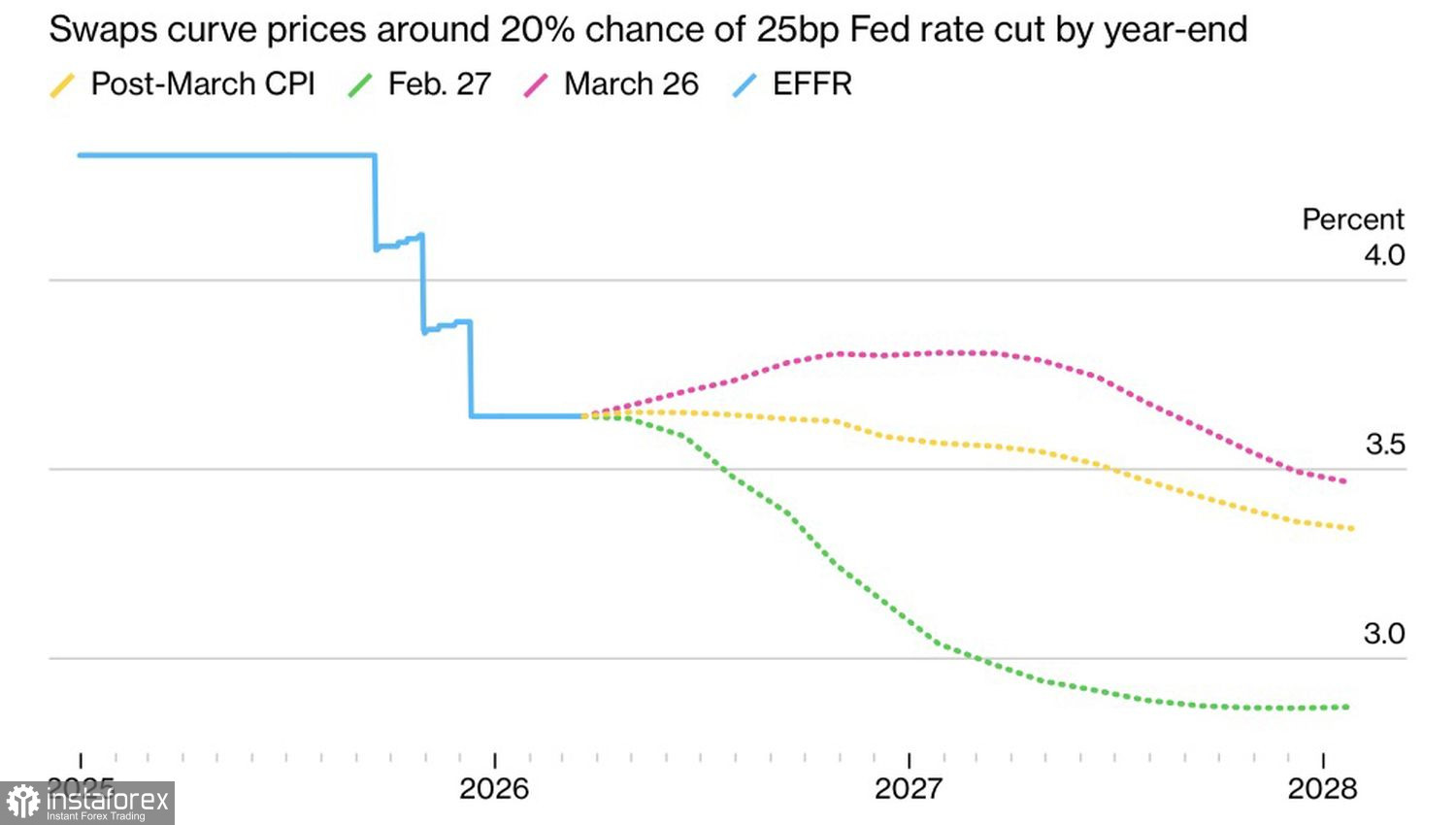
Adding to these reasons is the Federal Reserve's reluctance to lower rates. Even though US core inflation in March fell short of Bloomberg analysts' forecasts, the figure is likely to pick up in April due to second-round effects. The Fed will certainly be contemplating tightening monetary policy!
Bank of America believes this will not happen. On the contrary, it maintains its forecast of two acts of monetary expansion in 2026. The company believes that the Fed will face pressure in the second half of the current year, not so much from a stable but fragile labor market and a cooling economy. Political pressure will also play a role. Kevin Warsh's arrival will make the Fed much more "dovish" than before.
However, investors now need to focus on the Middle East. The escalation of conflict in the form of breaking the two-week ceasefire is fraught with strengthening the US dollar. Conversely, the return of Washington and Tehran to the negotiating table would provide a strong basis for buying euros. It remains to be determined which scenario is more viable.
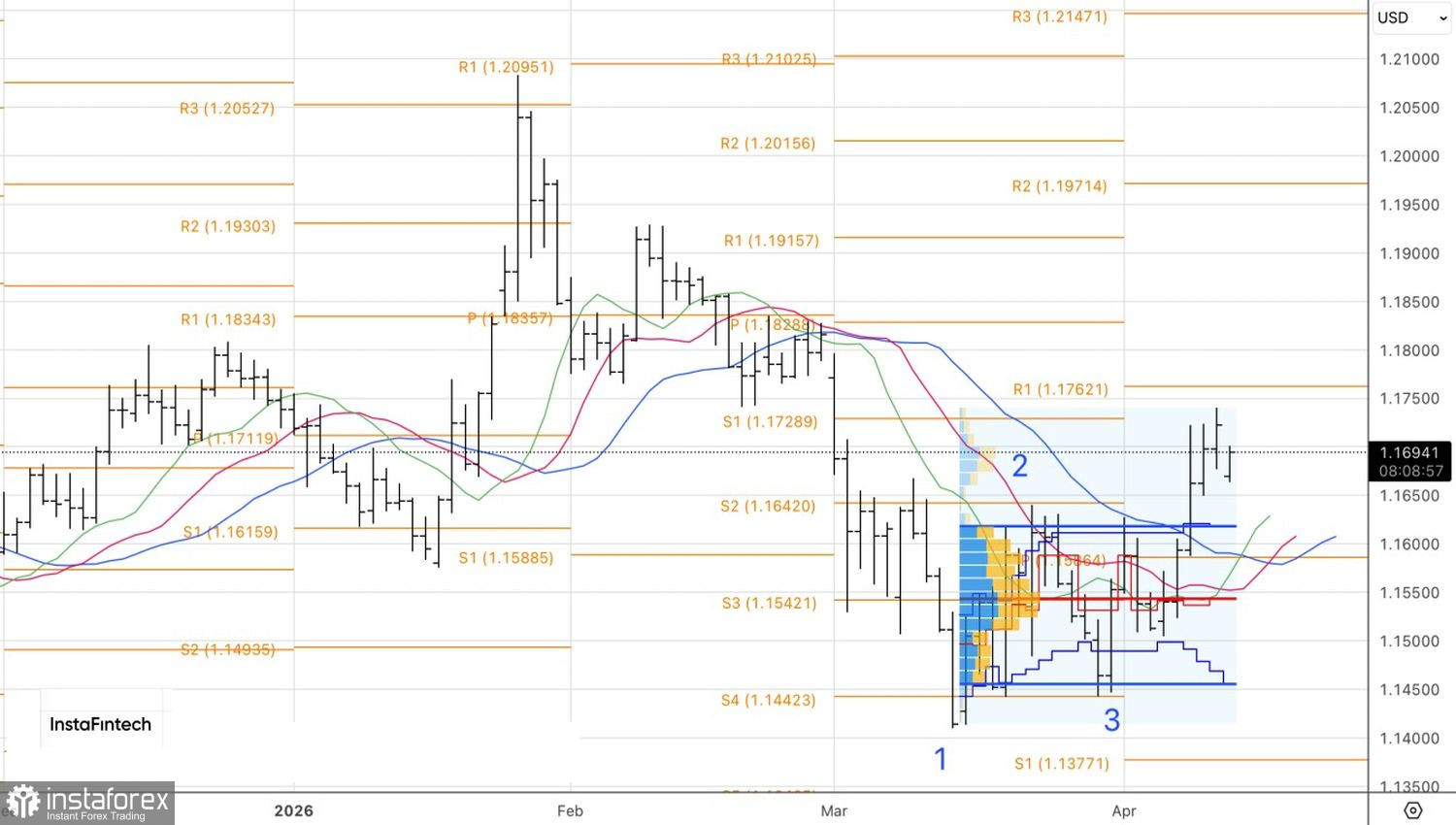
Technically, the daily chart for EUR/USD showed a downward gap at the opening of the week. The "bulls" managed to close the price gap rather quickly. However, falling below 1.1675 and 1.1660 will signal a "bear" attack and justify selling the main currency pair.


